
 With the long weekend coming up, there’s usually a bit more time to step back from work. And for a lot of leaders, a similar question comes up: we’ve invested in training — so why hasn’t much changed?
It’s not a criticism of the training itself. Most sessions are well run, people are engaged, and the ideas are useful. But when everyone goes back to work, things tend to settle back into the same patterns.
Where the gap is
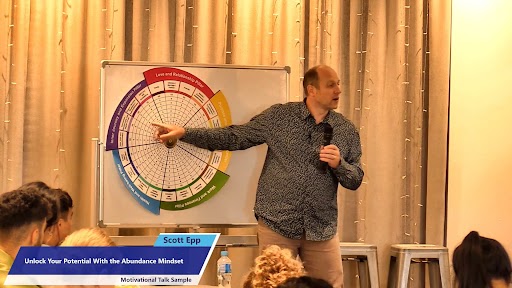
The issue isn’t usually knowledge. Most people already understand what good communication or leadership looks like. They know feedback should be clear, alignment matters, and issues should be addressed early. The difficulty is applying that in real situations — and that’s where things tend to break down.
A simple example
Take giving feedback. In theory, it’s straightforward: be clear and direct. In practice, it often gets softened, delayed, or avoided altogether. Not because people don’t know better, but because they haven’t had the chance to practise doing it well.
What tends to work better
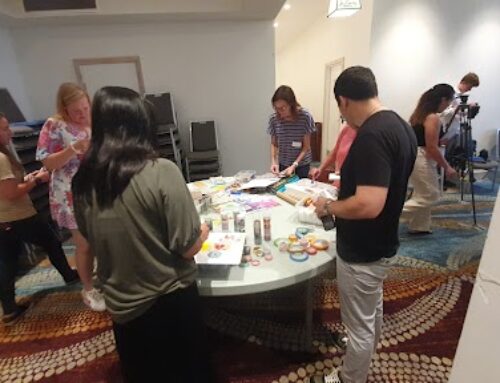
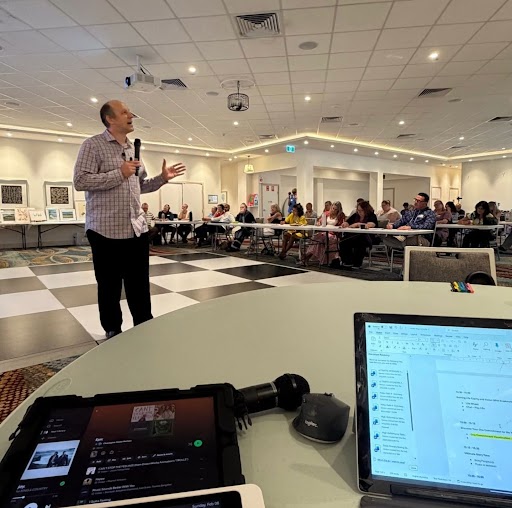
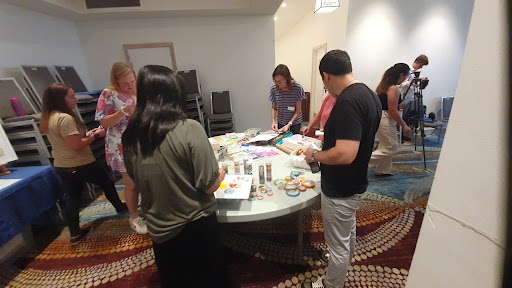
The training that actually sticks is usually more practical. Instead of focusing on concepts, it focuses on what people are already dealing with — conversations they’ve been putting off, situations that didn’t go well, or areas where communication is unclear. From there, people work through those situations properly, trying different approaches and seeing what actually works.
A quick example
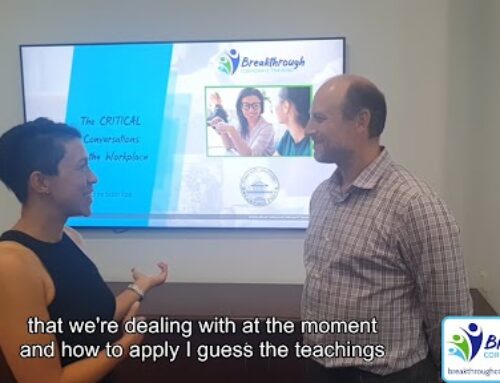
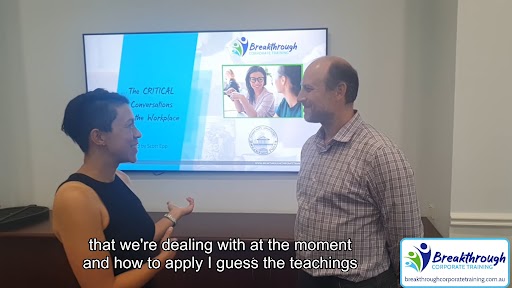
This short clip gives a good sense of it:
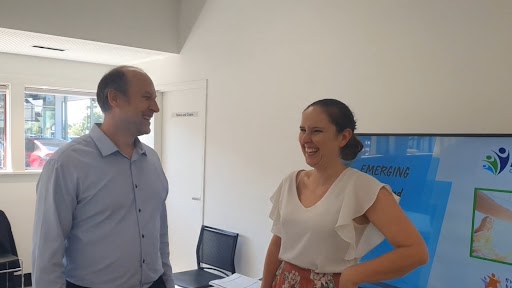
It’s from a General Manager whose team went through one of these sessions. She shares how a few practical frameworks helped the team handle conversations more effectively. That’s usually enough to create a shift.
What changes
When people work through real situations, a few things improve. Conversations become clearer, feedback is handled more directly, and issues are addressed earlier. One CEO we worked with mentioned she adjusted how she communicated with her team based on individual styles, and it improved how her messages were received. It wasn’t a major change — just a more effective way of communicating.
“Scott conducted Life Languages Training for my team a few months ago. The insights that we gained about how best to communicate with each other have been priceless. For me personally, I have made changes to how I present information to my Management Team based on their individual communication preference, with amazing results! I can highly recommend this training.”
Diana Lang, CEO of The Youth Partnership
Where this matters most
This tends to show up in two situations: when someone moves into a leadership role, and when a team is growing and becoming more complex. In both cases, communication becomes more important, and small issues start to have a bigger impact.
A more practical way to think about training
If people leave a session with ideas but no clear way to apply them, it’s unlikely to change much. If they leave having worked through real situations and can see how they’ll handle them differently, it usually does.
Final thought
Most teams don’t need more information. They need a better way to handle the conversations they’re already having. That’s where training can make a real difference.
Want to explore this for your team?
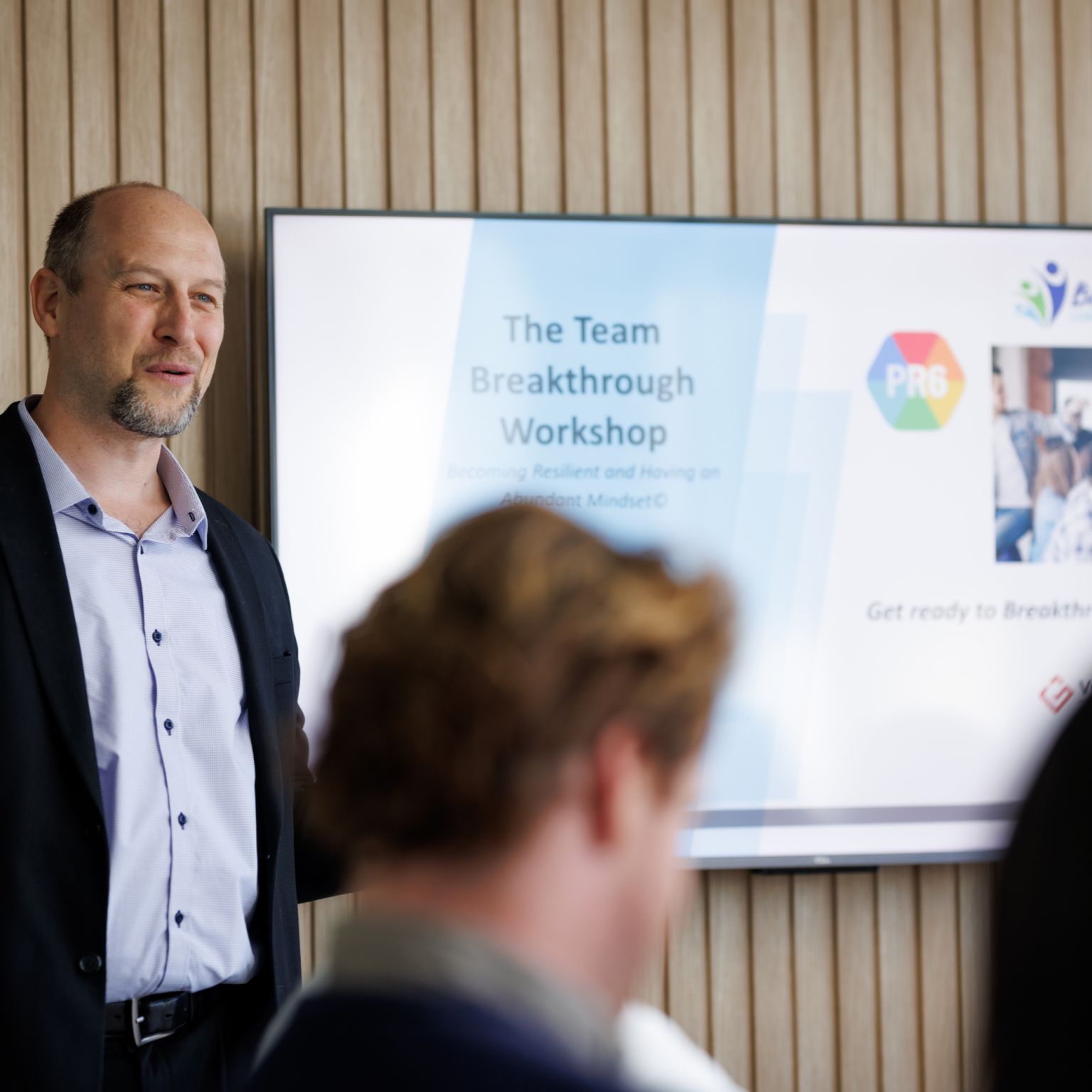
We run tailored workshops for leadership teams, emerging managers, and growing organisations. Get in touch or request more information.