
A deeper follow-up on our CRITICAL Workplace Conversations work with The Junction Works
 In the previous post, I explored what happens when a workplace looks polite on the surface, but important issues remain unspoken underneath. That is a reality many teams know well. People want to preserve rapport, stay professional, or avoid unnecessary tension, so they soften the message, postpone the conversation, or say just enough to get through the moment. The problem is that very little changes when the real issue stays untouched.
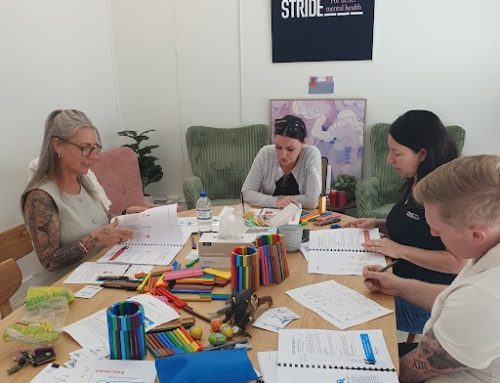
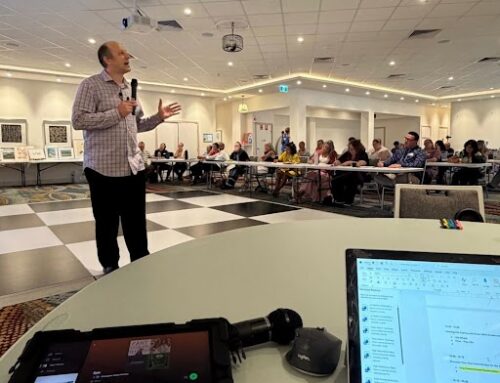
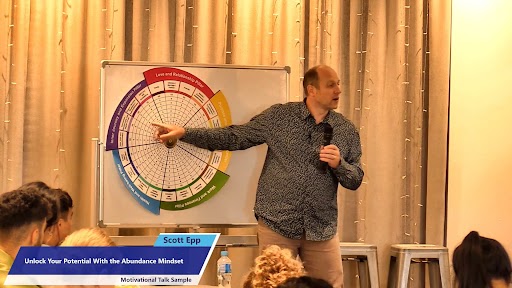
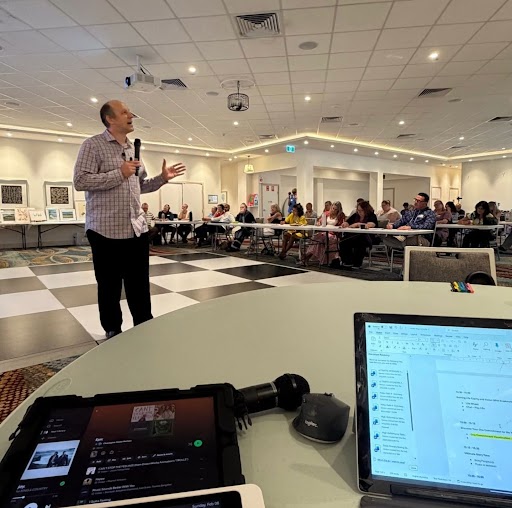
What I wanted to add in this follow-up is not more theory for theory’s sake. I wanted to bring the conversation back into a real training room and share what I personally observed while leading this work with The Junction Works. For me, that is where the value of this topic really comes alive. You can talk about healthy workplace conversations in principle, but there is something powerful about watching leaders practise them, test them, refine them, and grow in confidence as they go.
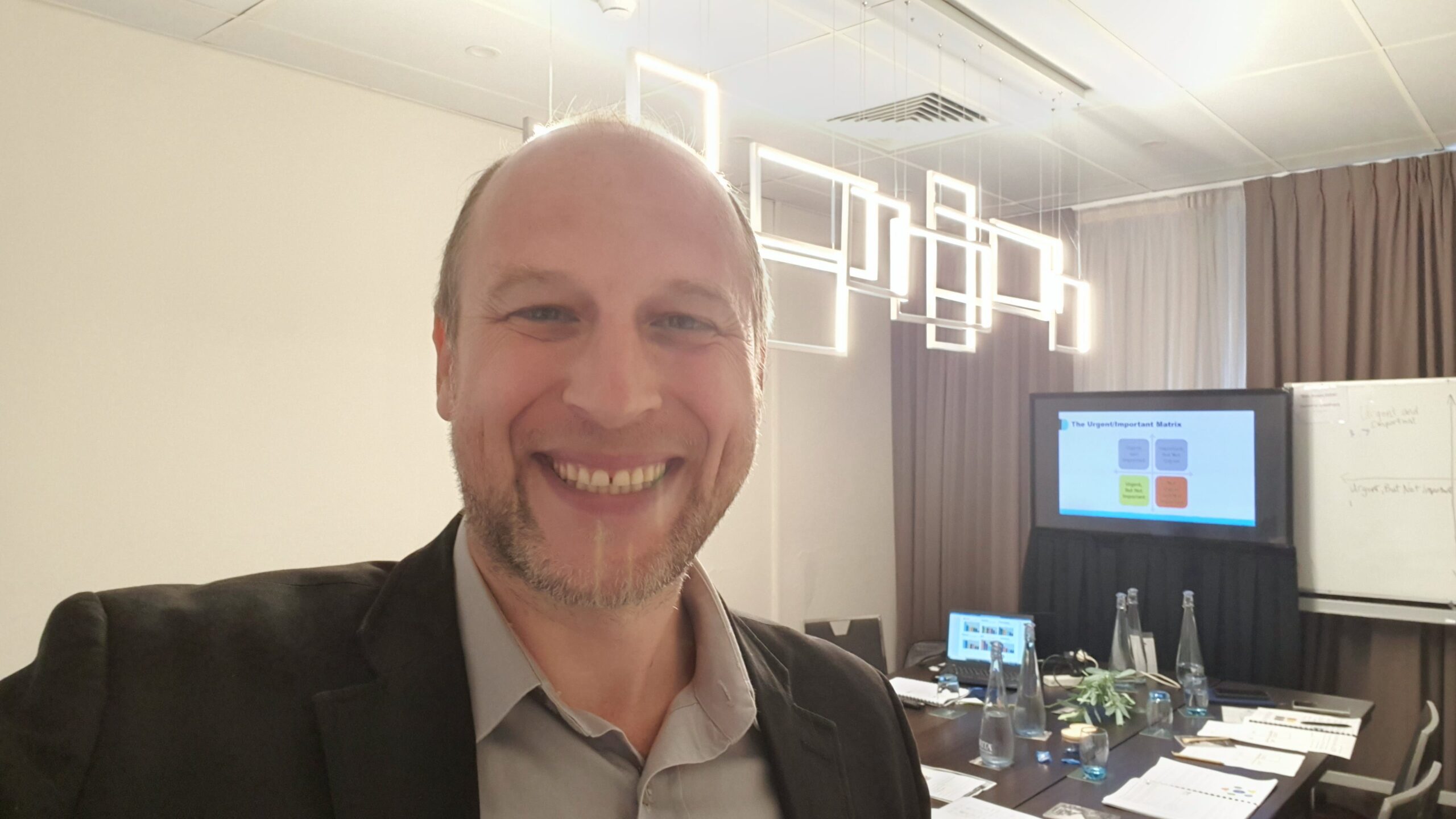
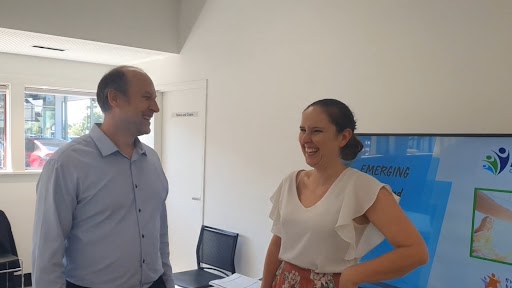
That is exactly what stood out to me during this customised multi-day program. Together with Sarah Patterson, Director of People and Culture, we designed the training around three key areas: Navigating Change, Building personal and team resilience, and CRITICAL Workplace Conversations. Those three topics belonged together. Change creates pressure. Pressure can test resilience. And when people are under pressure, the quality of their communication matters even more.
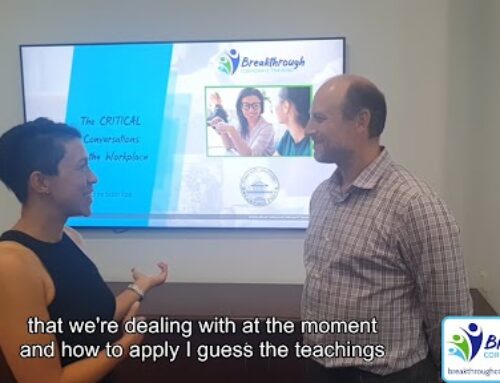
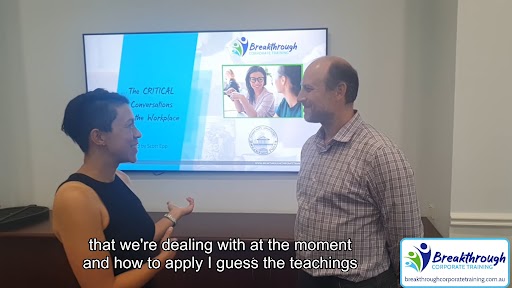
Here’s a video that Sarah and recorded highlighting this multi-day training with their 46 leaders:
What stood out to me in the room
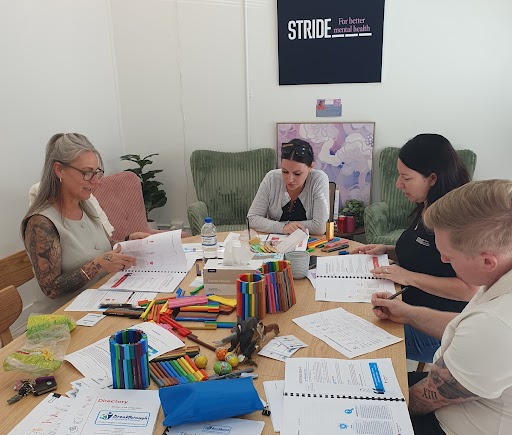
Once again, I was amazed at how quickly each small group of leaders picked up the role-play challenges and honed in on their CRITICAL conversation skills. That mattered to me because it showed two important things. First, leaders do not simply need abstract advice about “communicating better”. They need relevant practice. Second, when the practice is realistic and well facilitated, people often engage faster than they expect to.
The role plays created a space where leaders could move beyond intention and into application. It is one thing to agree that active listening is important. It is another thing to stay present when a conversation becomes emotionally loaded, when assumptions begin to form, or when the other person says something unexpected. That is where communication either becomes stronger or starts to unravel.
What encouraged me most was seeing leaders lean into that learning space. They were not just talking about communication as a concept. They were practising presence, active listening, mirroring, reframing, asking powerful questions, appreciating, summarising, and more. Those are not decorative communication habits. They are practical capabilities that help leaders slow the moment down, reduce defensiveness, and move conversations towards clearer understanding.
Why practical skill-building matters so much
One of the reasons our CRITICAL Workplace Conversations Course is so effective is that it does not stop at awareness. Awareness is important, but teams do not transform simply because they can describe a problem. Change begins when people can recognise the moment they are in and then choose a better response inside that moment.
That is why this training is intentionally practical and skills-based. We tailor the program with realistic scenarios and role plays so that people are not left wondering how the content applies to their workplace. They get to feel the pressure of the moment in a supported environment, notice the habits they default to, and build new ways of responding with honesty, empathy, and clarity.
In our wider CRITICAL Workplace Conversations Course, we also draw on frameworks that help people communicate with more structure and confidence. These include the RASA Active Listening framework — Receive, Appreciate, Summarise, Ask — and the SBINOA constructive feedback model — Situation, Behaviour, Impact, Needs, Options, Agreement or Action. We also use our CRITICAL Conversations Methodology, which focuses on Cognitive biases, Repairing relationships, Interpersonal skills, Trust, Insight, Circle of coordination, Active listening, and Linking perspectives. These are not random tools. Together, they help people move from assumption to shared understanding.
The deeper issue: what gets in the way of a healthy conversation?
In many workplaces, the issue is not a lack of goodwill. Often people care a great deal. The deeper challenge is that high-stakes conversations can quickly become clouded by fear, speed, stress, or interpretation. Someone hears a comment and immediately creates a story about intent. A leader anticipates pushback and starts softening the message before the conversation even begins. A team member feels overlooked, but avoids speaking up because they do not want to create discomfort.
This is why understanding cognitive biases and the stories we tell ourselves matters so much. We are constantly interpreting behaviour, tone, silence, timing, and intent. When those interpretations go untested, they can start shaping our reactions more than the actual facts. Healthy workplace conversations require the discipline to slow that process down. They call us to stay curious, separate observations from assumptions, and make space for what the other person may actually be experiencing.
From a coaching perspective, this is one of the most hope-filled parts of the training. It means people are not stuck with their default reactions. They can learn to notice them. They can learn to regulate them. And they can learn new ways of engaging that build trust rather than erode it.
What healthy workplace conversations make possible
When a leader can stay present, listen deeply, and respond with both honesty and respect, several things become possible. Clarity improves. Expectations become easier to name. Accountability becomes less threatening and more constructive. Relationship strain can be addressed earlier rather than after resentment has built. Teams begin to spend less energy managing unspoken tension and more energy moving forward together.
This does not mean every difficult conversation becomes easy. It does mean that people become more equipped. They learn how to recognise when they are in critical conversation territory. They learn how to create mutual understanding instead of simply pushing a point. They learn how to repair where trust has thinned, and how to keep a conversation from collapsing when emotions rise.
That is one of the reasons I remain so positive about this work. I have seen that when teams are given practical tools, realistic practice, and a clear pathway forward, communication can genuinely improve. Not because people become perfect, but because they become more intentional and more capable.
Why this matters with customers as well as team members
Although this training often focuses on internal communication, the same principles matter just as much in conversations with customers, clients, service users, and stakeholders. A workplace conversation does not stop being critical simply because the other person sits outside your team. In fact, the stakes can feel even higher when trust, service, reputation, expectations, or long-term relationships are involved.
A customer who feels unheard may not be looking only for an answer. They may be looking for assurance that they have been understood. A stakeholder who raises a concern may need more than information; they may need clarity, empathy, and confidence that their perspective has been taken seriously. In those moments, presence, active listening, summarising, reframing, and asking powerful questions can make a significant difference.
Healthy workplace conversations therefore strengthen culture internally and credibility externally. They help people respond with less reactivity and more skill. They make it easier to resolve tension, clarify misunderstandings, and protect trust. Whether the conversation is with a colleague or a customer, the goal is similar: move from assumption, defensiveness, or confusion towards understanding, clarity, and constructive next steps.
How we get results for teams
When people ask what makes this kind of training effective, my answer is that results rarely come from information alone. Results come when a team is given a practical path to do the work differently. That means the training needs to be relevant, interactive, emotionally intelligent, and grounded in what people actually face.
With The Junction Works, the customisation mattered. Sarah Patterson and I built the program around the real leadership needs in front of us. The role plays mattered. The debriefs mattered. The chance to practise the skills out loud mattered. This is how confidence grows. This is how leaders learn to spot the moment earlier, regulate themselves more effectively, and move a conversation towards shared understanding rather than avoidance or escalation.
That is also why I care so much about creating a coaching-style learning environment. People grow best when they are challenged and supported at the same time. They need room to practise, reflect, reset, and try again. When that happens, communication training stops being a motivational idea and starts becoming usable leadership capability.
A final reflection
What encouraged me most about this multi-day experience with The Junction Works was not simply that 46 managers and leaders completed a program. It was seeing leaders engage with the work in a real and practical way. It was seeing how quickly small groups could step into role-play scenarios and sharpen the skills that make healthy workplace conversations possible. It was being reminded again that teams can grow significantly when the learning is relevant, relational, and well applied.
Healthy workplace conversations are not a side issue in culture. They sit near the centre of it. They shape trust, accountability, morale, clarity, and the way people experience leadership. They affect whether customers feel heard, whether team members feel respected, and whether tension becomes growth or simply lingers beneath the surface.
That is why I remain deeply encouraged by this work. Teams do not need to stay stuck in avoidance, surface-level dialogue, or unresolved tension. With the right frameworks, the right facilitation, and the right practice, leaders can grow in the courage and skill required to handle what matters well.
What the training is designed to help teams do
- Diagnose where conversations or workplace interactions break down, and apply actions that create clearer, more coordinated understanding.
- Practise advanced listening techniques and use stronger coaching and clarity-seeking conversation starters.
- Recognise and address cognitive biases while building trust, authenticity, and healthier communication habits.
Strengthen the confidence to navigate high-stakes conversations with honesty, empathy, and greater emotional intelligence.
#LeadershipDevelopment #WorkplaceConversations #CriticalConversations #TeamCulture #LeadershipTraining #Resilience #ChangeLeadership #BreakthroughCorporateTraining