

What “Filter Glasses” Are You Wearing Into Your Conversations?
A reflection from the Real Dairy Sales Team conference on the seven Life Languages™, communication effectiveness and learning to see a conversation through more than one lens.
We all bring a set of “filter glasses” into our conversations. The challenge is that most of the time, we do not realise we are wearing them.
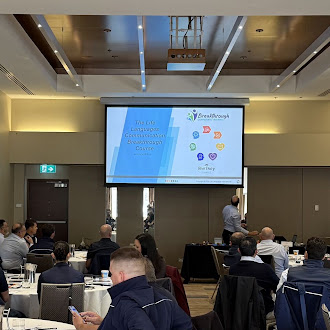
One of the things that stood out to me while spending the afternoon with the Real Dairy Sales Team at their recent conference was how quickly a communication idea can become practical when a team is willing to have a bit of fun with it.
As we explored the Life Languages™ together, the team brought a great mix of curiosity, energy and humour. People were recognising their own communication preferences, noticing differences in the people around them and, importantly for a sales team, connecting those differences to the way they communicate with customers.
Then came the role-plays. The team took them to another level. There was plenty of laughter and some wonderfully committed performances, but underneath the fun something more important was happening: people were experimenting with how the same message can land very differently depending on the person receiving it.
The glasses we rarely notice
Think about a pair of glasses for a moment. Put on a different lens and the world in front of you has not changed, but the way you see it has. Colours may look warmer or cooler. Some details become sharper. Others fade into the background.
Communication can work in a similar way. We walk into meetings, customer conversations, difficult discussions and everyday interactions with an internal lens shaped by what we naturally notice, value and expect. We may be listening for motive, contribution, connection, care, a plan, good management or genuine interest — often without consciously thinking about it.
That lens can be incredibly useful. It can help us spot risks, build relationships, get things done, bring structure, care deeply, manage resources or think with depth. The problem comes when we assume everyone else is wearing the same pair of glasses.
Communication maturity is not asking everyone else to wear our glasses. It is learning when to adjust our own lens so the other person can actually receive what we are trying to say.
The seven Life Languages™ — and the questions behind the lenses
The Life Languages™ framework recognises seven communication styles across three broad intelligence categories: action-first, feeling-first and thinking-first. Everyone speaks all seven Life Languages™ to varying degrees, so the aim is not to put people into boxes. It is to become more aware of the styles that come most naturally to us and more capable of communicating beyond them.
Each Life Language has a filter question — an underlying question that can influence what a person notices and how they interpret communication. Using the glasses metaphor, these questions are like different lenses through which the same conversation can be viewed.
Mover — Action-first
Movers tend to be direct, ambitious, assertive and ready to move. Filter question: “What is your motive?”
Through the Mover lens, intention matters. A Mover may be listening for what is really driving the conversation and whether words and actions line up. Clear purpose, directness and congruence can help communication land.
Doer — Action-first
Doers tend to be practical, diligent, dedicated and attentive to what needs to be completed. Filter question: “Are you doing your share?”
Through the Doer lens, contribution and follow-through stand out. Reliability, clear responsibilities and recognising effort can make a big difference.
Influencer — Feeling-first
Influencers tend to be optimistic, relational, inclusive and energised by interaction. Filter question: “Are we communicating?”
Through the Influencer lens, connection is part of the message. A conversation that is technically correct but cold or disconnected may not land as well as one that includes warmth, engagement and genuine interaction.
Responder — Feeling-first
Responders tend to be compassionate, warm, passionate and sensitive to people and atmosphere. Filter question: “Do you really care?”
Through the Responder lens, care is highly visible. Tone, empathy and whether someone feels heard can matter just as much as the information being communicated.
Shaper — Thinking-first
Shapers tend to be organised, focused, strategic and efficient. Filter question: “Do you have a plan?”
Through the Shaper lens, direction and structure matter. A clear plan, defined outcomes and an understanding of where things are heading can create confidence and alignment.
Producer — Thinking-first
Producers tend to be resourceful, responsible, thoughtful and strong at managing resources. Filter question: “Are you managing your life?”
Through the Producer lens, stewardship and wise management are important. They may notice whether time, money, resources and responsibilities are being handled thoughtfully and whether the value matches the investment.
Contemplator — Thinking-first
Contemplators tend to be inquisitive, calm, reflective and drawn to depth and knowledge. Filter question: “Am I really interested in this?”
Through the Contemplator lens, relevance and depth matter. Space to think, genuine information and undivided attention can help them engage meaningfully rather than being pushed towards an immediate response.
The same conversation, seven possible lenses
Imagine a sales leader introducing a new customer strategy. One person may immediately ask why the change is being made. Another wants to know who is responsible for what. Someone else wants the team to talk it through. Another is reading the room and wondering how people feel about it. Someone is looking for the plan. Someone is checking whether the resources have been thought through. And someone else wants more information before deciding what they think.
It is the same announcement. The room has heard the same words. But the internal lenses are different.
This is one reason communication effectiveness is about more than saying something clearly once. A message can be clear from our side and still fail to answer the question the other person is silently asking.
Before the next conversation, check your glasses
One of the practical habits I enjoyed exploring with the Real Dairy team was the idea of checking in with ourselves before we communicate. Not overanalysing every conversation — simply creating enough awareness to notice when our own filter may be doing most of the talking.
A few questions can help:
- What “glasses” am I wearing into this conversation?
- What am I automatically noticing, valuing or expecting?
- Am I expecting this person to communicate the way I would?
- What might they be listening for that I have not addressed yet?
- How could I adjust my words, tone, pace or level of detail so the message is easier for them to receive?
This is particularly relevant in sales and customer communication. The goal is not to diagnose a customer or assume we know their profile. It is to listen more carefully. What are they emphasising? What questions are they asking? What seems to matter most to them? What communication approach might help them feel clearer, more understood and more confident in the conversation?
What the Real Dairy team brought to the afternoon
What I appreciated most about the Real Dairy team was the willingness to experiment. The learning was not kept at an abstract level. People got involved, tried different approaches, laughed at themselves and each other, and started making connections to the real conversations they have every day — within the team and with customers.
That is where this kind of learning becomes useful. Self-awareness is important, but its value grows when it turns into other-awareness: becoming curious about how somebody else may hear us, and then being willing to adapt without losing our authenticity.
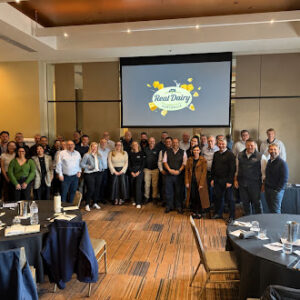
I am genuinely grateful to Domenic Sozzi, Brooke Kennedy and the wider Real Dairy team for the invitation and for the energy everyone brought into the afternoon. It was a fun session, but it was also a strong reminder that some of the best communication learning happens when a team feels safe enough to interact, experiment and enjoy the process together.
A simple challenge
Before one important conversation this week, take a few seconds to notice your own glasses. Then ask yourself what the other person might need from you for the conversation to land well.
Sometimes a communication breakthrough does not require a completely different message. It simply requires us to look through a different lens.
Want to explore the seven Life Languages™ with your leaders or team? Learn more about our Life Languages™ Communication Breakthrough Course:
https://www.breakthroughcorporatetraining.com.au/courses/life-languages-communication/
#LifeLanguages #CommunicationEffectiveness #TeamCommunication #SelfAwareness #SalesCommunication #CustomerCommunication #TeamDevelopment #WorkplaceCommunication #CorporateTraining #BreakthroughCorporateTraining