

A quiet meeting isn’t always a sign of a healthy team.
Sometimes everyone genuinely agrees. And sometimes… people have simply decided it’s easier not to speak up.
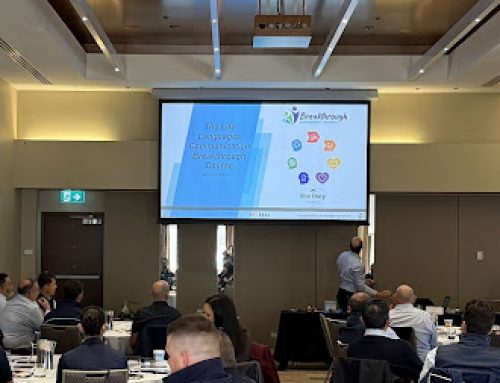
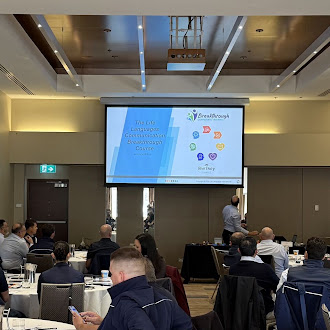
After leading our Healthy and Cohesive Teams session with a team here in Sydney’s CBD, I wanted to share a question we explored:
Where is the appropriate level of conflict on your team?
Not whether your team should manufacture disagreements. Not how to get everyone arguing more passionately.
But whether there is enough trust, honesty and respect for people to say what needs to be said.
Because encouraging healthy conflict in teams isn’t about creating tension for its own sake. It’s about making room for different perspectives without making disagreement personal.
When harmony is only skin-deep
Picture a team meeting where a new idea is presented.
People nod. Someone says, “Sounds good.” Nobody raises a concern, so the decision moves forward.
Then the meeting finishes.
In the corridor, someone says, “I really don’t think that will work.”
Another replies, “Neither do I. But there didn’t seem to be much point saying anything.”
That’s the challenge with artificial harmony. The appearance of agreement can hide the very concerns a team needs to discuss. In Patrick Lencioni’s team model, protecting that artificial harmony gets in the way of productive debate.
Of course, not every quiet meeting is a problem. Sometimes the proposal is straightforward and the agreement is genuine.
The question is: could someone disagree openly if they needed to?
Healthy conflict challenges ideas—not people
When I talk about healthy conflict, I’m not talking about raised voices, belittling comments or questioning someone’s character.
I’m talking about being able to say:
“I see this differently.”
“I’m concerned we haven’t considered the impact on our customers.”
“Can we test that assumption before we commit?”
Patrick Lencioni describes healthy conflict as debate focused on ideas and issues rather than personalities. That distinction matters: we’re examining the proposal, not putting the person on trial.
Compare these two statements:
“You clearly haven’t thought this through.”
“I can see what you’re aiming for. My concern is whether we have the capacity to deliver it.”
Both express disagreement. Only one gives the conversation somewhere useful to go.
Finding the sweet spot on the conflict continuum
At one end of the continuum is artificial harmony: concerns stay hidden and agreement is sometimes more performance than reality.
At the other end is destructive conflict: personal attacks, put-downs and a determination to win at someone else’s expense.
The sweet spot is constructive disagreement—enough openness to explore the important issues, with clear boundaries against destructive behaviour. It isn’t about endless debate or finding an acceptable amount of disrespect.
A useful way to think about it is:
“We care enough about the outcome to challenge the idea, and enough about each other to do it respectfully.”
You don’t need to agree on everything to work well together. But you do need a way to discuss what matters.
Trust makes room for honest conversations
“Please speak openly” is a good invitation. But what happens after someone accepts it?
Do we listen?
Do we become defensive?
Do we thank them for raising a concern—or make them wish they had stayed quiet?
Trust is central to Lencioni’s approach: people need room to acknowledge mistakes, ask for help and contribute honestly without constantly protecting their image. That creates a stronger foundation for constructive disagreement.
As leaders, it’s worth asking ourselves:
“Am I making it easier for people to tell me what I need to hear, or only what I would like to hear?”
How to encourage healthy conflict in your team
Here are four practices to try in your next team discussion.
Invite the perspective that hasn’t been heard
Instead of finishing with, “Everyone happy?”, ask:
“What concerns haven’t we heard yet?”
Or:
“What might we be missing?”
Then leave some space. Resist the urge to answer your own question or immediately defend the proposal. You could also give everyone a moment to write down their thoughts before inviting contributions.
The aim isn’t to force disagreement. It’s to make an honest response welcome.
Get curious before making assumptions
When someone pushes back, try asking:
“Can you help me understand what’s behind your concern?”
You might discover that you’re working from different information, different priorities or different assumptions about what success looks like.
Stay with their explanation long enough to understand it before preparing your reply.
Agree on the boundaries—and what happens when they’re crossed
Have the conversation about how you will disagree before the next difficult moment arrives.
A simple team agreement could be:
“We will challenge ideas without attacking people, make room for different views, and pause when the conversation becomes disrespectful.”
And when someone crosses the line, address it.
“That comment became personal. Let’s come back to the issue.”
When it’s your own comment, take responsibility:
“That came out more sharply than I intended. I’m sorry. Let me try again.”
Repair matters. So does changing the behaviour.
Finish with a clear way forward
Don’t leave a robust discussion with everyone guessing about what happens next.
Clarify the decision, the reasons behind it, any concerns that remain, and who is responsible for the next step.
Where there is still disagreement, acknowledge it rather than pretending it has disappeared.
“We haven’t reached full agreement, but we’ve heard the concerns. Here is the decision, and here is when we will review it.”
So, where is your team right now?
Think about your last few team meetings.
Were the important concerns raised in the room—or afterwards?
Could someone challenge a senior person’s idea without being dismissed?
When disagreement happened, did you explore the issue or start making assumptions about each other?
And what about your own response? Do you tend to push harder, withdraw, go quiet or agree just to keep the peace?
These aren’t questions for labelling people. They’re starting points for a useful conversation.
The goal isn’t more conflict for its own sake.
It’s less pretending, more understanding and a clearer way forward together.
Does your team need more willingness to disagree, more care in how you disagree—or a bit of both?
Build a healthier, more cohesive team
At Breakthrough Corporate Training, our Healthy and Cohesive Team Course helps leaders and teams explore trust, constructive disagreement, commitment, accountability and collective results through practical learning, facilitated discussions and activities.
To explore a session for your team, visit the course page and tell us about the conversations you would like your people to handle more effectively.
A good place to start might be asking your team the same question:
“Are we making enough room for honest, respectful disagreement?”
#HealthyConflict #HealthyTeams #CohesiveTeams #LeadershipDevelopment #TeamCommunication #Trust #PsychologicalSafety #TeamCulture #BetterConversations #BreakthroughCorporateTraining