
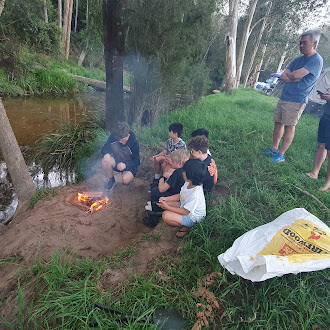
“This is the spot!” My 12-year-old son, Malachi, had found the place he wanted for the lads’ campfire. He could already see the possibilities. Some of his mates, however, were looking at the same patch of ground and seeing reasons it might not work.
I was nearby, listening as the conversation unfolded. What began as a search for a campfire spot became a lovely reminder of how workplace collaboration can help a promising idea take shape.
A favourite tradition and a tighter camping spot

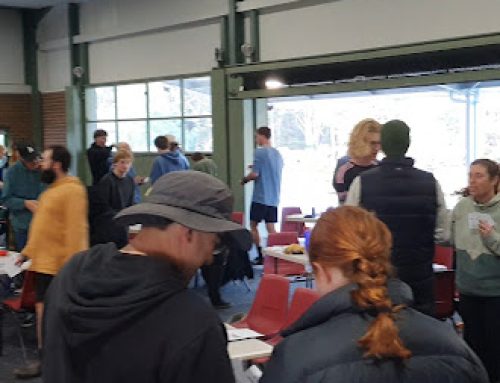
Twelve years ago, two amazing dads, Esteban and Phil, and I started Dads and Lads. We wanted to bring men together to enjoy time outdoors with their sons. This year, we had 15 dads and more than 20 kids camping at Glenworth Valley.
With the larger group, we had been allocated a different camping area. We were still beside the stream, but there was less space between the water and the gravel road. Once the tents and vehicles were in, things felt a little more cramped.
The kids love having their own campfire. It has become part of what they look forward to, so Malachi and his mates began searching for a spot. They explored a few possibilities, but several were too close to tents. Then Malachi found a sunken, sandy area beside the stream and announced that their search was over.
His mates had questions. There was about a metre’s drop down to the water on the far side, and the layout needed thought. Some boys explained why they didn’t like the choice. One lad was particularly unhappy with it. Malachi, meanwhile, was doing his best to persuade them. He had a picture in his mind of what this spot could become.
Helping the boys refine the idea
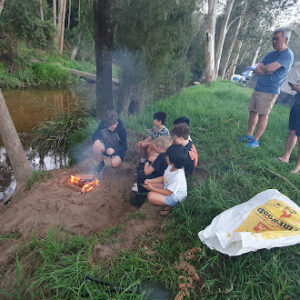
Watching them, I could see both the appeal of Malachi’s idea and why his mates were concerned. I wanted to offer a refinement while keeping the idea in their hands. I started by acknowledging what Malachi had seen: “Malachi, this is a great spot and I can see what you’re thinking here.”
Then I suggested carving seats into a semicircle. The boys could sit together on the side away from the water, with the campfire in front of them towards the stream. Nobody would sit on the stream side. I finished with a question: “How does that sound?”
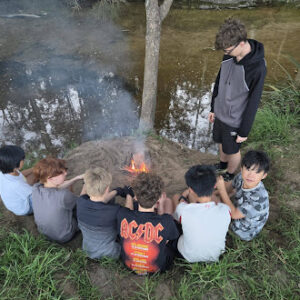
Malachi immediately saw how the layout could work. Within a few minutes, we had the shovels out and were shaping the semicircle and seats. His original idea was still there, and now there was a clearer way to bring it together.
That campfire became a place where the lads spent hours talking, sharing, making damper and roasting marshmallows. The reward was seeing them enjoy the space together. A patch of ground that had prompted disagreement became somewhere they wanted to spend time with their mates.
Different perspectives can improve the same idea
I think there is something useful here for workplace teams. We can be excited about an idea because we can see what it might achieve. Someone else may be thinking about the workload, the customer, the timing or a practical detail we haven’t yet worked through. Both perspectives can help.
The challenge comes when we become so focused on persuading others that we stop being curious about their concerns. When an idea matters to us, a question about the plan can feel like a rejection of the whole thing. Yet that question may be pointing to the refinement the idea needs.
Malachi’s vision mattered, and his mates’ concerns deserved attention. The useful next step was to explore how the idea could work with those concerns in view. At work, that might mean adjusting the scope of a project, clarifying who will do what or testing a proposal on a smaller scale before committing more resources.
A question I’d encourage teams to try is: “What would need to change for this idea to work well for everyone involved?” It gives the person with the idea something constructive to consider and invites others to contribute to its development. Their answer might also reveal a constraint that requires a different approach.
Refining presentations and business stories
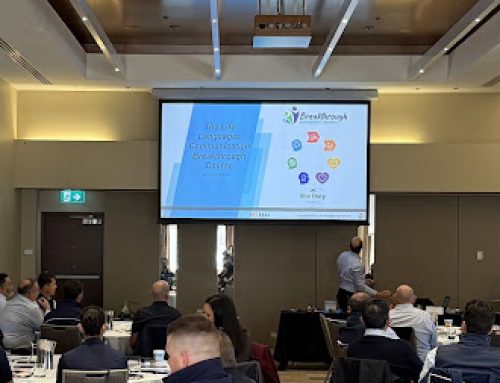
I shared this story as I opened a coaching session with people leaders at Toyota Finance Australia. We were working on refining their presentations and business stories, and the connection felt natural.

When you know your subject well, you can see what you want to communicate. Your audience may need a little help getting there. A colleague listening to your presentation might notice that the main point arrives too late, that a key detail is missing or that the story needs a clearer connection to the decision you want people to make.
That feedback can help you preserve what matters while making the message easier to follow. For example, you could ask a colleague, “What message did you take from that?” Their answer gives you something specific to work with. If they heard a different message from the one you intended, you have a useful place to begin refining.
The campfire story also gave me a concrete way to introduce the topic. There was a goal the boys cared about, an obstacle, different perspectives and a small change that helped bring the idea together. The hours they then spent around the fire showed why the effort mattered. Those details gave us something to picture as we explored the same principle in their work.
Make room for others to help shape the outcome
As a leader, you can begin by showing someone that you understand what they are trying to achieve. From there, you can explore the practical concerns and invite them to help refine the plan. If it is your idea on the table, you can give colleagues permission to improve it.
I’m grateful that Malachi could see the possibilities in that little spot, and that the boys voiced their concerns. It gave us something to work on together. Looking back, the part I treasure is what followed: the lads spending time around their own campfire, talking and enjoying being together.
What idea in your team could become stronger if you invited others to help refine it?